
- Interactive CTV campaigns significantly outperform traditional formats by delivering engagement rates that are 4.6 times higher than mobile and 10.3 times higher than desktop environments.
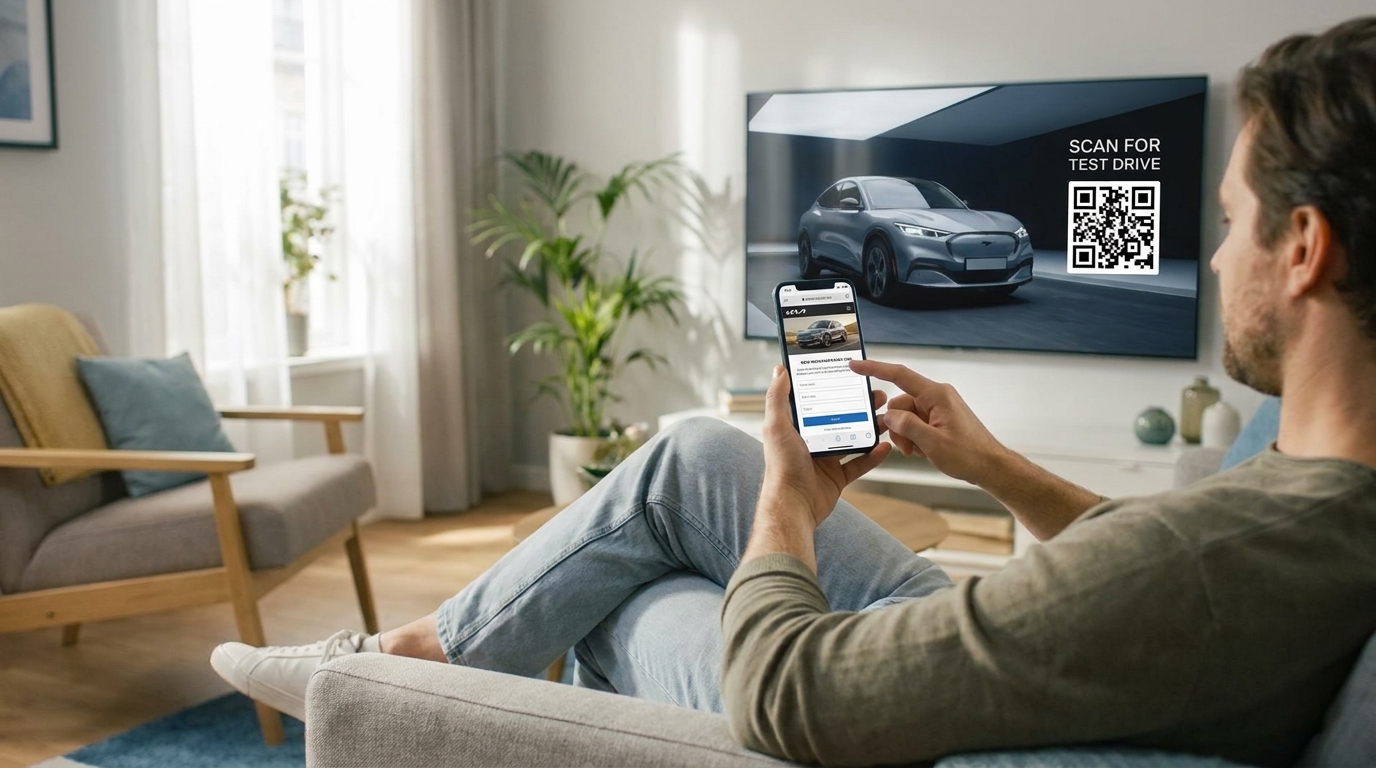
- Integrating highly optimized QR codes into streaming commercials effectively bridges the digital gap between the big screen and mobile devices to achieve scan rates approaching five percent.
- Incorporating choice-based and gamified ad units into your big screen creative strategy can drive a 600 percent increase in engagement and an 8X uplift in purchase intent.
- Shoppable connected TV transforms traditional top-of-funnel awareness into a full-funnel conversion engine by enabling direct consumer transactions via remote controls and mobile screens.
- Leveraging Dynamic Creative Optimization (DCO) allows brands to utilize modular assets for real-time, data-driven personalization that yields an additional 37 seconds of viewer engagement.
- Allocating at least 26 percent of video advertising budgets to interactive features and utilizing rigorous A/B testing are essential best practices for mastering CTV creative optimization.
The transition from traditional linear broadcast to digital streaming has fundamentally altered how households interact with the television. While viewers once sat passively through standard commercial breaks, the modern big screen experience now facilitates a two-way dialogue between the audience and the advertiser. The shift to streaming means the commercial isn't just a timed interruption, but an integrated component of the streaming journey that adapts to user behavior.
Creative optimization and interactivity serve as the two primary pillars defining this new era of digital media. These strategies allow brands to move beyond the limitations of static video to provide content that feels relevant and actionable. Understanding the mechanics of these systems is the first step toward securing your brand's presence in a crowded streaming marketplace.
The Evolution of Commercials: Moving from Passive Viewing to Active Engagement
The journey from the traditional lean-back television experience to the modern lean-forward environment reflects a massive technological leap. In the past, television advertising relied on broad reach and repetition, assuming the viewer would absorb the message without any immediate means of response. High-speed internet and sophisticated streaming hardware have dismantled this model by providing the bandwidth and processing power required for complex, real-time ad formats.
From Linear Constraints to Streaming Freedom
Traditional linear TV has always been defined by its rigid boundaries and a lack of agility. Advertisers were forced to fit their stories into fixed thirty-second or sixty-second blocks with no way to know if a viewer walked out of the room. There was no real-time feedback loop, so creative changes could take weeks or months to implement because Nielsen data was delayed.
Streaming freedom removes these constraints by allowing creative assets to be dynamically served and adjusted on the fly. If a particular creative execution isn't performing, an advertiser can swap elements or change the call to action within hours. This flexibility is necessary for brands that need to maintain relevance in a media landscape where trends and consumer interests shift rapidly.
The ability to adjust content based on viewer behavior ensures that the ad remains a value-add rather than a nuisance. Brands can now tailor the length and depth of their message to the specific context of the streaming session. This shift ensures that every dollar spent on media buying is backed by creative designed for the digital age.
The Anatomy of CTV Creative Optimization: A Strategic Framework
Effective creative optimization isn't merely a matter of increasing production budgets or using high-bitrate motion graphics. It's a structured, data-driven process that ensures every visual and narrative element aligns with the viewer's intent and environment. Since creative quality is the single biggest driver of growth in brand impact, getting the framework right is the most significant step toward success.
Visual Hierarchy and Design for the 10-Experience
Designing for a big screen requires a deep understanding of the 10-foot user interface, where viewers interact with content from across a room. Typography must be large, legible, and high-contrast to ensure that even the smallest interactive prompts are visible to the average viewer. The big screen viewer experience is unique because it demands a high level of visual fidelity that mobile-first ads cannot provide.
Color palettes should be chosen to pop against the often-darker backgrounds of premium streaming applications. Motion should be used purposefully to draw the eye toward interactive elements without distracting from the primary brand message. When these elements are designed correctly, interactive CTV campaigns can deliver engagement rates that are 4.6x higher than mobile and 10.3x higher than desktop.
High-definition assets are non-negotiable in this environment because the ad's quality must match that of the show it accompanies. A grainy or poorly scaled commercial feels out of place next to 4K cinematic content and can damage brand perception. Consistent visual quality ensures that the ad feels like a seamless extension of the viewer's chosen entertainment.
Narrative Pacing in the Age of Skip and Binge
The way a story is told on streaming platforms must differ from the slow-burn narratives of old-school television. Brands must front-load their ads with a high-contrast visual cue within the first 2.5 seconds to capture attention before viewers look away. This immediate engagement is especially important during binge-watching sessions where viewers are primed for fast-paced content consumption.
Emotional storytelling remains a powerful tool, as emotional advertising is twice as efficient as rational messaging and delivers nearly twice the profit. Creative should focus on building a connection within the first few seconds and providing value, even if the viewer only sees a portion of the ad. Understanding why product-focused creative misses helps brands pivot toward more emotional, human-centric narratives.
Context matters when determining the narrative structure, especially when comparing live sports to scripted dramas. An ad during a live game might benefit from high-energy, urgent messaging that mirrors the excitement of the event. Conversely, ads placed within a serialized drama can afford a slightly more atmospheric build, provided the core message is still delivered early and often.
The Interactive Taxonomy: Exploring Advanced Streaming Ad Formats
The variety of interactive ad units available today provides brands with a wide range of tools to build a successful big-screen creative strategy. Interactive CTV ads deliver an engagement rate of 3.39%, roughly seven times that of standard video ads. Furthermore, these formats can drive engagement rates 2 to 5 times higher than non-interactive video ads, earning viewers an additional 71 to 92 seconds.
QR Code Integration: Bridging the TV and Mobile Divide
QR codes have seen a massive resurgence as a primary tool for connecting the big screen to the mobile device in a viewer's hand. When implemented correctly, these codes allow viewers to take immediate action, such as visiting a website or claiming a discount, without stopping their viewing experience.
While overall scan rates average 0.02%, some highly optimized campaigns have seen scan rates approaching 5% when the call-to-scan is clear. Placement and timing are the most significant factors in the success of a QR code integration. The code should be large enough to be scanned from a distance and stay on screen long enough for a viewer to find their phone.
The call-to-scan messaging must be direct and offer a clear benefit to the viewer. Phrases like "Scan for 20% off" or "Scan to buy now" provide a tangible reason for the audience to engage. By serving as a bridge between devices, QR codes turn the television into a starting point for a deeper digital relationship.
Choice-Based and Gamified Ad Units
Choice-based ads, often called choose-your-own-adventure units, put the viewer in control of the narrative by letting them select which version of a commercial they see. Active viewer participation leads to a 600% increase in engagement compared with standard pre-roll video formats, according to data from Innovid. It also provides brands with valuable data on viewer preferences and interests.
Gamified elements, such as polls, trivia, or simpler, remote-controlled games, further increase time spent with a brand. When a viewer answers a poll or competes in a quick trivia challenge, their brand recall increases significantly. These interactions make the commercial break feel like an entertaining part of the session rather than a chore to be ignored.
The impact of these formats extends all the way to the bottom of the funnel, with interactive campaigns leading to an 8X uplift in purchase intent. By inviting the viewer to play or choose, brands break the wall of passive consumption. This results in a much more memorable experience that translates directly into consumer action.
Platform-Specific Capabilities and Voice-Activated Interactions
Different streaming platforms offer unique interactive capabilities that brands must navigate. For instance, Roku allows interactive overlays to appear over live or on-demand content through its proprietary ad framework. Conversely, optimizing YouTube interactive ad spend requires understanding its brand extensions, which allow viewers to send information directly to their mobile devices.
Voice-activated interactions are a growing segment of the interactive viewer experience. Smart speakers or remote microphones allow viewers to say specific phrases, such as "Send more info to my phone," to trigger an action. This hands-free interactivity reduces friction by removing the need to navigate complex on-screen menus with a standard remote control.
Interactive streaming ads require technical compatibility across a fragmented ecosystem of operating systems, including Tizen, webOS, Fire TV, tvOS, and Android TV. Brands must evaluate the specific SDK requirements for each platform to ensure a consistent experience. Mastering these technical nuances is part of the best CTV creative strategies for high-growth brands looking to lead the market.
Shoppable Connected TV: Turning Inspiration into Transaction
Shoppable connected TV has transformed the big screen from a top-of-funnel awareness tool into a full-funnel conversion engine. It allows brands to capitalize on the moment of inspiration by giving viewers a direct path to purchase while they are still engaged with the content. This shift effectively bridges the gap between seeing a product on television and actually owning it.
The Path-to-Purchase via Remote and Mobile
There are several ways a viewer can complete a purchase directly from their television, each designed to reduce friction. Some platforms offer Click-to-Buy functionality, allowing users to use their saved credit card information and a few clicks of the remote to order a product. This is the most seamless path, as it never requires the viewer to look away from the screen.
Alternatively, QR codes can push a specific product directly into a mobile shopping cart. Sending items to mobile is particularly effective for products that require a bit more consideration or for users who prefer to finalize transactions on a familiar mobile interface. By moving the cart to the phone, brands allow the viewer to keep watching their show while the shopping process continues.
The key to success in shoppable connected TV is reducing the number of steps between the initial want and the final buy. Every additional click or form field is an opportunity for the viewer to lose interest. Simplifying the checkout process is just as important as the ad's creative quality.
The Big Screen Viewer Experience: Designing for User Comfort
The psychological state of a viewer watching a large television in their living room is vastly different from that of someone scrolling through a phone on a bus. TV viewing is often a shared, relaxed activity that requires a higher level of respect for the user's space and attention. Interactivity is a powerful tool, but it must be balanced carefully so it doesn't become intrusive or frustrate the person holding the remote.
Balancing Interactivity with Content Continuity
Maintaining the sanctity of the viewing experience is a priority for any successful CTV creative optimization strategy. Interactive elements should never appear at moments that block critical visual content or disrupt the emotional flow of the narrative. The best practices involve timing these interactions so they feel like a natural part of the storytelling arc.
Animations used for interactive prompts should be subtle and high-quality, matching the main video's frame rate and visual polish. If an overlay snaps into place too quickly or with a cheap-looking transition, it can pull the viewer out of the moment. Ensuring a premium feel keeps the viewer engaged and open to the brand's message.
Brands should also consider the frequency of interactive prompts within a single viewing session. Overloading a viewer with constant requests to click or scan can lead to ad fatigue and negative brand sentiment. The goal is to provide a few high-value moments of interaction rather than a constant stream of distractions.
The Dual-Screen Reality and Accessibility
The dual-screen reality means that most viewers have a mobile device within reach while watching television. This behavior is the foundation for cross-device strategies that use the big screen for inspiration and the mobile screen for action. Advertisers shouldn't fight this behavior; instead, they should lean into it by providing seamless paths between the two screens.
Technical accessibility is a major component of the viewer experience that often goes overlooked. Navigation must be incredibly simple, since most television remotes offer only a basic directional pad and a select button. Remote controls facilitate user-driven navigation, but only if the on-screen elements are intuitively mapped to those physical inputs.
Clear visual cues are necessary to show which element is currently highlighted or selected. Using simple, intuitive layouts ensures that users of all levels of technical literacy can participate. Visual impairments must also be considered, ensuring that text sizes and color contrasts meet high accessibility standards for the living room environment.
Data-Driven Creativity: Leveraging Dynamic Creative Optimization (DCO)
The most effective big screen creative is personalized to the viewer's specific situation and needs. Dynamic Creative Optimization (DCO) is the process of using data to swap out elements of an ad in real-time based on the viewer's context. This approach ensures the ad is as relevant as possible, resulting in an additional 37 seconds of engagement time compared to standard video.
Technical Requirements for Modular Creative
One of the biggest hurdles to programmatic ad personalization is the cost of producing multiple video versions, but Dynamic Creative Optimization platforms solve this workflow bottleneck through modular production. Instead of filming a thousand commercials, brands create a library of modular assets, including various backgrounds and headlines.
Technical execution requires high-bitrate video files, typically 15-25 Mbps for 4K streaming, to maintain consistent visual fidelity. These assets are structured as a decision tree, often delivered via the JSON or VPAID 4.1 protocols, that determines which assets to serve to specific audiences. This modular approach allows for massive scale without a corresponding explosion in production costs.
The modular framework also makes it easier to update content for seasonal promotions or flash sales. Since only the text or specific product image needs to be swapped out, the core video can remain the same. This agility allows brands to stay current without needing to start from scratch every few weeks.
Ensuring Brand Safety and Combating CTV Ad Fraud
As advertising budgets flow into connected television, ad fraud and brand safety have emerged as critical challenges that require proactive mitigation. Bad actors often use server-side ad insertion spoofing and bot networks to generate fake impressions, draining campaign resources without delivering real viewer engagement.
Protecting a brand's investment means utilizing third-party verification partners that specialize in streaming environments. By actively monitoring invalid traffic and ensuring ads only run on premium, vetted streaming applications, advertisers can preserve both their budget and their brand reputation.
Measuring Success: Beyond the Standard Completion Rate
The metrics used to judge traditional TV, such as reach and frequency, are no longer sufficient to evaluate interactive big-screen campaigns. Although tracking total ad impressions remains important, it fails to capture the nuances of user interaction. Modern advertisers must look at a deeper set of KPIs to understand the true effectiveness of their creative.
Tracking Engagement and Incrementality
Engagement rate is the primary metric for interactive CTV, measuring the percentage of people who actually used the remote or scanned a code. Dwell time is equally important, as it tracks how long a viewer spends interacting with a gamified element or a branded canvas. Measurement frameworks analyze cross-platform engagement data to provide a comprehensive view of campaign performance.
Proving that a CTV ad actually drove a specific result requires sophisticated measurement of incrementality in streaming campaigns. Incrementality testing compares a group of people who saw the ad against a control group who didn't, measuring the lift in sales. This helps advertisers understand the true value the CTV campaign added above and beyond other marketing efforts.
Scan rates for QR codes provide a direct link to mobile activity and eventual conversion. By tracking these scans, brands can see which creative triggers or placements are most effective at moving viewers across devices. These data points help brands refine their creative strategies over time for better efficiency.
Privacy-First Attribution and Signal Loss Mitigation
As the industry moves away from cookies and IP addresses, privacy-first attribution has become a critical technical requirement. Brands must now navigate frameworks such as Apple's SKAdNetwork and Google's Privacy Sandbox to track performance without compromising user privacy. This shift necessitates the use of server-side tagging and clean room environments to maintain data integrity.
Server-side ad insertion or ad stitching allows for more robust tracking while preventing the signal loss associated with client-side ad blockers. Video servers perform server-side ad stitching by merging the ad directly into the content manifest. This technical setup ensures that the engagement rate of 3.39% remains verifiable across fragmented platforms.
Interactive CTV campaigns lead to an 8X uplift in purchase intent, making accurate attribution a high-priority task. Our expertise at Mynt Agency focuses on navigating these privacy-first environments with precision. By leveraging deterministic data and device graphing, we help brands maintain visibility in an increasingly restricted data landscape.
Best Practices for Big Screen Creative Mastery
Succeeding in the interactive streaming space requires a commitment to continuous improvement and a willingness to experiment. Advertisers who allocate at least 26% of their video budgets to interactive features generally expect significantly higher engagement and conversion outcomes. The most successful brands treat their CTV creative as a living asset that can be refined based on performance data.
A/B testing for TV ad campaigns is a fundamental part of CTV creative optimization, allowing brands to compare different elements in a live environment. Advertisers should test variations in QR code placements, ad copy lengths, and interactive triggers. Regular optimization ensures the brand's presence on the big screen remains effective and up to date.
Mastering The Interactive Future Of Television Advertising
The future of television is being built at the intersection of high-quality cinematic storytelling and sophisticated digital interactivity. As the landscape becomes more complex, brands must move beyond passive commercials and embrace creative optimization to capture and hold viewer attention. Building a successful big screen presence requires a strategic approach that prioritizes user experience, data-driven personalization, and actionable interactivity.
Navigating the technical and creative demands of CTV, YouTube, and interactive streaming requires a partner with deep expertise and the right tools. Mynt Agency has over 10 years of experience with advanced tools to launch and optimize large-scale campaigns with precision. Our team understands how to transform the big screen into a powerful conversion engine that delivers measurable results.
Contact us today to integrate interactive streaming formats into your upcoming media campaigns. Our goal is to give your brand a distinct advantage through superior creative execution and technical expertise.
