
- National radio advertising campaigns leverage "theater of the mind" storytelling and memorable sonic branding to build deep emotional connections with audiences without visual distractions.
- Terrestrial and digital radio media buying offers unmatched cost efficiency and scale, reaching over 80% of the United States population while driving top-of-funnel cross-channel digital performance.
- Strategic dayparting and high spot frequency are essential media buying strategies that optimize advertising budgets by consistently reaching target demographics during their daily routines.
- Direct response radio campaigns generate immediate, measurable consumer actions by utilizing customized vanity URLs, unique promotional codes, and authentic live reads from trusted talk show hosts.
- Modern audio attribution tools allow brands to accurately measure the return on investment of their national radio ad spend by correlating on-air placements with real-time digital web lift and sales.
Audio advertising maintains documented emotional resonance with listeners by focusing on personal connection rather than visual distraction. National radio advertising campaigns leverage this intimacy to create lasting impressions that often outperform more expensive video counterparts. Radio bypasses the visual noise of the modern world to build a direct line to the consumer's imagination.
By analyzing successful radio advertising examples from brands such as Motel 6, Bud Light, and ZipRecruiter, advertisers can identify the specific frameworks that drive profitable audience growth. Success in this space relies on a blend of strategic media buying and sophisticated audio creative.
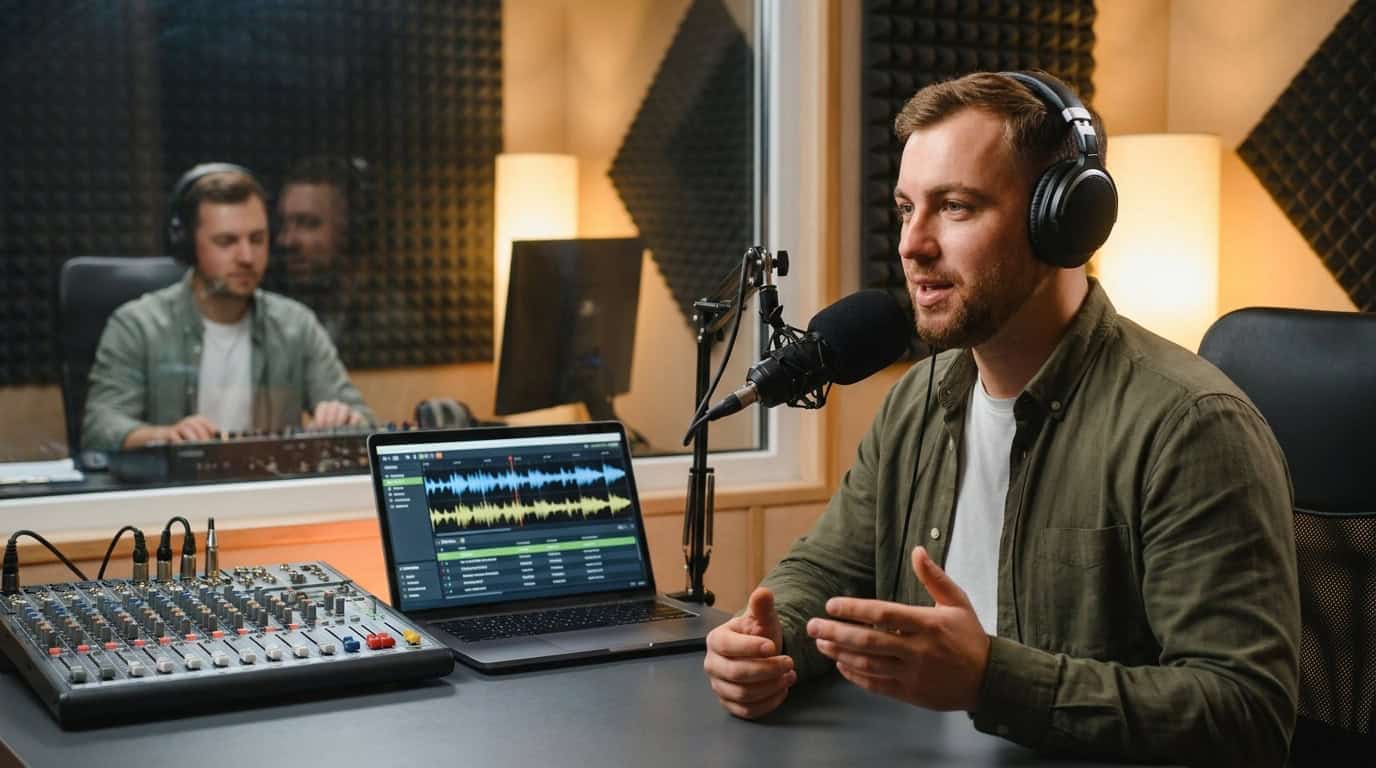
Key Elements of a Successful National Radio Advertising Campaign
Brands that dominate the airwaves don't leave their success to chance. They follow a specific set of principles that maximize their reach and listener engagement. Understanding these core components is the first step toward building a campaign that delivers a high return on investment (ROI).
- Memorable Sonic Branding: Establishing a unique sound or musical signature that identifies the brand within seconds.
- Strategic Dayparting: Placing advertisements during peak listening windows, such as the morning and afternoon commutes, to reach active consumers.
- Theater of the Mind Creative: Using descriptive language and sound design to help listeners visualize the brand narrative.
- Clear Direct Response Attribution: Utilizing vanity URLs, unique promo codes, and real-time tracking to measure consumer actions.
Why National Radio Advertising Campaigns Remain a Top Choice for Brands
National radio advertising campaigns offer a rare combination of mass reach and deep emotional resonance. National broadcasting allows brands to cut through the noise of a crowded media landscape and drive consumer action on the same day of broadcast. Because audio is one of the most effective and cost-efficient platforms available, it remains a primary choice for national advertisers seeking sustainable growth.
Theater of the Mind: Why Audio Storytelling Beats Visual Overload
The absence of visual elements in radio forces the listener to become an active participant in the narrative. Audio professionals call the phenomenon the theater of the mind, where the brain paints its own mental pictures based on the sounds it hears. Listeners who visualize a story themselves often show higher cognitive engagement than those who passively watch television.
Such mental engagement leads to a much stronger emotional connection with the advertised brand. When a listener builds their own version of a story, the brand becomes part of their personal internal landscape. Research suggests this process results in higher long-term brand recall because the memory is self-generated rather than externally imposed.
Creative copywriters exploit this effect by using highly descriptive language and layered ambient soundscapes. Instead of simply stating a location, a script should include Foley sounds, such as a ticking clock to signify urgency or the crunch of gravel to signify arrival. These sonic cues spark the listener's imagination and transport them to a specific setting without a single camera.
Unmatched Reach and Frequency: Building National Brand Equity on the Airwaves
Terrestrial and digital radio continue to reach more than 80% of people across the United States. Such a massive scale ensures that a national campaign can reach diverse demographics in their most consistent daily routines. Whether listeners are stuck in morning gridlock or washing the dishes, the radio remains a constant companion that reaches them where visual media simply cannot.
Critical Mass Insights research indicates that 55% of radio listeners are more likely to click a social media ad if they first heard the brand advertised on the radio. Listeners are also twice as likely to click a link to a product they heard about on air. Such cross-channel synergy makes radio a powerful top-of-funnel driver for digital acquisition channels.
High frequency is another significant advantage of the radio format for emerging national brands. By placing ads multiple times throughout a listener's day, a brand can establish top-of-mind awareness in a short period. Frequent airplay builds the familiarity and trust necessary to navigate a fragmented media landscape where attention is difficult to hold.
Nielsen data confirm that 64% of 25- to 44-year-olds say hearing a product on the radio makes them more likely to click its digital ad later. The data underscores the medium's ability to prime an audience for subsequent conversion steps. Brands that ignore this cross-channel influence risk missing out on a significant lift in their digital performance.
The Cost Efficiency of Terrestrial and Digital Audio Media Buying
The economic advantages of audio media buying become clear when comparing production costs with those for television or high-end digital video. Producing a professional radio spot requires a fraction of the budget needed for a national TV commercial. Lower production expenses allow brands to experiment with different creative versions without risking significant capital.
National media buying for radio provides a scalable path for brands of all sizes to achieve a national presence. Because radio is more affordable than TV and print, it's particularly suitable for small- to midsize brands. These production savings allow national advertisers to allocate a much larger portion of their total budget to actual media placement.
A larger media spend enables higher ad frequency and helps ensure the campaign remains sustainable over a long period. Cost-effective production makes radio an attractive option for companies wanting to maximize their share of voice while maintaining a healthy bottom line. Brands can adjust and air these ads quickly in response to current events or marketing changes.
Historical Icons: Classic Successful Radio Campaigns and Their Secrets
These legendary examples of radio advertising demonstrate how vocal performance and taglines create long-term brand equity. Studying historical triumphs provides a foundational blueprint for any brand looking to build durable audio assets. Many iconic brands have used the medium for decades to maintain their market position through consistent and clever messaging.
Motel 6: "We'll Leave the Light on for You" (The Power of Relatable Spokespeople)
The Motel 6 campaign began when the brand shifted its messaging away from simple price points toward an emotion-driven narrative. They moved away from corporate-sounding announcers and embraced a more human approach. The strategic shift allowed the brand to connect with travelers on a level that felt like a friend's recommendation.
The brand selected Tom Bodett as its spokesperson, and his approachable, regional voice became the brand's defining characteristic. His relaxed and authentic delivery established immediate credibility and a sense of safety for tired travelers. Bodett's delivery made the brand feel accessible and honest, exactly what the target demographic needed during long trips.
The famous tagline, "We'll leave the light on for you," created a nostalgic and welcoming mental picture for millions of listeners. It suggested a level of care and hospitality that resonated deeply with the audience's desire for a safe place to rest. The evocative phrase proved instrumental in the brand's transition to digital booking systems over several decades.
Bud Light: "Real Men of Genius" (The Masterclass in Humor and Sonic Signatures)
The Bud Light "Real Men of Genius" campaign utilized a satirical premise to pay mock-heroic tribute to humorous characters. Each spot focused on a different relatable figure, such as the "Mr. Way Too Much Cologne Wearer." By celebrating these absurd modern archetypes, the brand created a series of ads that listeners actually looked forward to hearing.
The success of these spots relied on the stark contrast between two very different vocal styles. Pete Stacker provided a deadpan, serious voiceover that sounded like a traditional movie trailer. Dave Bickler's over-the-top, 1980s-style rock vocals offset the serious narration, adding comedic drama to the character being lampooned.
Listeners genuinely loved the ads, turning them into an early viral pop-culture hit long before social media. The ads proved that radio advertising can be successful even when the product is barely mentioned until the final few seconds. By focusing on humor and high-quality production, Bud Light built immense brand affinity without relying on a traditional hard sell.
McDonald's: "I'm Lovin' It" (Leveraging Global Musical Branding and Sonic Logos)
McDonald's made a significant shift in 2003 by moving away from traditional promotional jingles toward a cohesive global musical branding strategy. They recognized that a unified audio identity could bridge gaps across different cultures and media formats. The shift signaled a new era in which audio assets were treated as significant as visual logos.
The center of this strategy was a simple five-note sonic logo that became an instant, recognizable audio signature. This short musical phrase was flexible enough to be played on different instruments or hummed in various styles. The McDonald's Sonic logo increased brand recognition across global markets because it was simple and universally accessible.
McDonald's commissioned a full pop track featuring a famous artist, helping embed the brand in contemporary culture. By making the audio asset part of a real song, the brand avoided the irritation often associated with commercial jingles. McDonald's demonstrated the long-term value of developing a unified and recognizable audio asset used across multiple campaigns.
Direct Response Giants: Successful Radio Campaigns Built for Immediate Action
While brand awareness is important, national radio is also one of the most effective acquisition channels for direct response marketing. Many of today's fastest-growing companies use audio to drive immediate action from their listeners. These brands design their campaigns around clear problems and simple, trackable solutions.
ZipRecruiter: Dominating Talk Radio with Problem-Solution Narratives
ZipRecruiter has mastered the art of dominating national talk radio and syndicated shows with a specific script format. They focus on the core struggles of business owners who are tired of sorting through unqualified job candidates. By starting with a relatable problem, they immediately capture the attention of anyone currently facing hiring challenges.
The brand also leverages the personal endorsements and trust of popular talk show hosts to boost its credibility. When a host speaks about the product during a show, it carries more weight than a standard pre-recorded advertisement. Host endorsements make the audience more likely to believe the brand's claims and try the service for themselves.
The call-to-action strategy is built around repeating simple and memorable custom URLs throughout each spot. These unique web addresses are easy for listeners to remember, even if they're driving or multitasking. Repeating custom URLs has driven measurable increases in web traffic and sign-ups for the company over the last several years.
Babbel: Direct Response Audio Examples and Conversational Sales Narratives
Babbel succeeds in direct-response audio by using multi-voice storytelling that feels natural and dynamic. Their ads often feature real learners or two hosts engaging in a conversation about the benefits of learning a new language. By keeping the tone conversational, the ad feels less like an annoying interruption and more like helpful advice.
These direct-response audio examples succeed by using a native speaker's voice alongside an English-speaking student's. Hearing both voices provides a sonic demonstration of the product's value proposition, which serves as a powerful trust signal for the listener. They pair this authentic, creative content with personalized, time-sensitive listener discounts to drive immediate action.
By offering a specific promo code for a particular show or station, they create a sense of urgency and exclusivity. These trackable codes allow the brand to measure the success of every placement and optimize its spending based on real subscription data. Babbel's data-backed creative testing helps them maintain a high return on their national media buy.
MyPillow: Leveraging Trusted Hosts and Live Reads for High-Converting Direct Response
MyPillow has built a massive business through aggressive, host-driven audio campaigns that rely on the power of the live read. They allow local and national hosts to describe the product in their own words, which creates a high level of authenticity. These live reads often sound more like a personal testimonial than a commercial, leading to much higher conversion rates.
The brand also uses strong, urgency-focused offers and aggressive promotional codes to capture transactional listeners. They often offer deep discounts available only for a limited time to encourage people to act immediately. Leveraging host trust alongside high-value offers has made MyPillow a staple on national radio and a leader in direct-response advertising.
Industry-Specific Applications: Why Retail, Healthcare, and Insurance Lead Radio Spending
Certain industries find that terrestrial radio aligns perfectly with their customer acquisition goals. Retailers use the medium to drive weekend foot traffic by promoting time-sensitive sales to commuters who are already in their vehicles. The listener's proximity to physical store locations makes radio a primary choice for driving same-day retail conversions.
Healthcare and insurance providers also rely heavily on radio to build the trust necessary for high-stakes consumer decisions. Radio is effective for public-sector campaigns because it feels personal and is trusted by listeners. Using real voices, such as general practitioners (GPs), nurses, or patients, helps build credibility and reduce hesitation among potential customers.
In the insurance sector, national brands use radio to maintain top-of-mind awareness so they're the first choice when consumers need a quote. These industries benefit from the medium's high frequency, ensuring their message is heard multiple times before a decision is made. Persistent airplay builds the long-term authority required to compete in crowded financial markets.
The Tech Stack Behind Modern Audio: How Mynt Agency Uses Proprietary Tools for Attribution
Measuring the success of an audio campaign requires more than just counting how many spots aired. Modern attribution tools enable brands to measure radio effectiveness by correlating advertisements with web lift in near-real time. Veritone's tracking enables campaign optimization based on actual performance metrics rather than estimates.
Veritone's attribution tool correlates advertisements with web lift to track outcomes like sales and sign-ups. Our team uses proprietary reach-frequency calculators to ensure that every media buy hits the optimal delivery threshold for the target demographic. We also utilize historical placement databases to identify the highest-performing shows and dayparts for specific industries. Advanced tracking ensures that national campaigns remain efficient even as they scale across hundreds of markets.
Programmatic Audio: The Future of Radio Media Buying
As the audio landscape evolves, programmatic audio brings the precision of digital targeting to traditional radio and streaming platforms. The technology allows advertisers to buy audio inventory in real time based on specific audience segments, weather triggers, or geographic locations. By integrating programmatic audio into a national campaign, brands can ensure their message reaches the exact listener profile they need, reducing wasted ad spend and increasing the overall efficiency of their media buy.
These tools allow us to track performance by creative version, placement, and total ad cost. By analyzing these variables, we can shift the budget away from underperforming slots and toward the ones driving the most value. Advanced tracking ensures that national campaigns remain efficient even as they scale across hundreds of markets.
A Step-by-Step Guide to Transitioning from Digital-Only to a Diversified Offline Media Mix
Transitioning to an offline media mix requires a strategic approach that respects the differences between digital and analog environments. The first step is to identify the "Halo Effect" radio has on your existing search and social media campaigns. Radio placements often lead to a 15% to 20% lift in branded search queries as listeners seek out the brand they heard on-air.
Next, brands should start with regional test flights to prove their creative concept before committing to a larger national budget. This allows you to gather initial data on Critical Mass Insights regarding listener response and conversion rates. Once the creative is validated, you can scale the campaign through national syndication and network buys for maximum efficiency.
Finally, it's essential to integrate your offline and online tracking systems to capture the full customer journey. Use dedicated vanity URLs and promo codes that align with your digital analytics platform. Merging these analytics allows you to see how your diversified media mix is driving sustainable, long-term growth for your brand.
Execute with Precision: Planning and Measuring National Radio Campaigns
Strategic media buying and flawless execution are just as significant as the creative design of an audio campaign. A brilliant ad won't perform if it's played at the wrong time or to the wrong audience. Planning a national campaign requires a deep understanding of how listeners interact with different formats throughout their day.
Defining Target Audiences and Aligning Demographics to Formats
Mapping a brand's ideal customer profile to specific radio programming formats is the first step in any successful media plan. Different genres like news, sports, or country music attract very specific listener demographics. Aligning the brand's message with a format that naturally appeals to its target audience ensures greater receptiveness and less waste.
Understanding the daily routines of these demographics allows advertisers to reach them during peak moments. For example, business owners might listen to the news or talk radio during their morning commute. By placing ads at these specific times, a brand ensures its message is heard when listeners are in the right mindset to consider the offer.
Media Buying Strategies: Dayparting, Spot Frequency, and Network Syndication
Dayparting is the process of targeting specific times of day to maximize exposure to active listeners. Morning and afternoon drive times are generally the most expensive but also the most effective for reaching commuters. Careful selection of dayparts allows a brand to optimize its budget by appearing only when its target audience is most likely to tune in.
Establishing a high frequency is more important than reaching the widest possible audience once. Listeners usually need to hear an ad multiple times before they retain the message or take an action. A concentrated media buy that prioritizes frequency over reach often results in a much higher return on investment for the advertiser.
Direct Response Attribution: Custom URLs, Promo Codes, and Call Tracking
Attribution challenges in audio can be bypassed by using dedicated vanity URLs that are easy for a listener to remember. These URLs should be short and directly related to the brand or the specific offer being advertised. Tracking the traffic to these specific pages provides a clear view of how much web lift the radio campaign is generating.
Unique promotional codes allow brands to attribute sales directly to specific stations, networks, or even individual shows. When a customer enters a code at checkout, the advertiser knows exactly which ad placement drove that transaction. This level of detail is necessary to optimize a campaign and shift budget toward the highest-performing channels.
Frequently Asked Questions About National Radio Advertising Campaigns
These frequently asked questions address common points of hesitation and provide strategic clarity for decision-makers considering a national audio campaign. Understanding these core concepts helps marketing leaders approach the medium with more confidence.
What makes a radio advertising campaign successful?
A successful radio advertising campaign is built on three core pillars: a highly focused creative message, a memorable sonic brand asset, and strategic repetition through targeted media placements. When these elements work together, the campaign drives both brand recall and measurable consumer action.
How do you measure the ROI of a national direct response radio ad?
Measuring the return on investment involves deploying unique promotional codes and trackable vanity URLs. Advertisers also use dedicated toll-free phone numbers to capture direct conversions and accurately calculate cost per acquisition. These tools allow brands to correlate their ad spend with near-real-time lift in web traffic and sales.
Can small- to midsize brands launch successful national radio campaigns?
Emerging brands can achieve broad reach by utilizing highly targeted national syndicated programs or digital audio streaming services. They can also run regional test flights to prove their creative concept before committing to a larger national budget. Targeted scaling allows smaller companies to compete with Fortune 500 corporations without needing identical resources.
What is the optimal length for a national radio ad spot?
Thirty-second spots are highly effective for building cost-efficient brand awareness and maintaining high exposure frequency. Sixty-second spots are generally better suited to complex direct-response offers that require more detailed storytelling. The choice depends on whether the primary goal is rapid familiarity or a more involved transactional conversion.
Dominate the Airwaves with a National Radio Advertising Campaign
A successful national radio advertising campaign relies on a masterful combination of theater of the mind, memorable sonic branding, and data-backed media buying. By understanding how to engage listeners' imaginations and using precise tracking tools, brands can turn audio into a formidable growth engine. These national radio case studies demonstrate that when sound is used strategically, it can build massive audiences and drive long-term profitability.
Mynt agency partners with national and international brands to build highly effective audio and media buying campaigns. We combine over a decade of ad placement data with exclusive research tools to optimize your radio spend and maximize your return on investment. Contact us today to schedule a strategic media buying consultation and learn how our terrestrial radio advertising campaigns can scale your national presence. We're ready to turn your audio message into a powerful revenue engine that delivers measurable results.
